
Search has split into two channels. People still type into Google, but a growing number now ask ChatGPT, Gemini, or Perplexity directly and act on the answer without clicking a single link. If your business isn’t showing up in those answers, you’re invisible to that part of your audience.
This guide covers what Answer Engine Optimization (AEO) actually is, how AI platforms decide what to cite, and the specific steps a Ludhiana business can take this quarter. For a foundation on how search ranking works in general, see our beginner’s guide to SEO and our breakdown of how websites reach page one.
What AEO actually means
AEO is the practice of structuring content so AI systems can extract it, trust it, and quote it as the answer to a question. Traditional SEO works at the page level: titles, keywords, backlinks. AEO works at the fact level: clear definitions, citable numbers, and answers that stand on their own without needing the rest of the page for context, according to Frase’s AEO guide.
The two goals aren’t separate tracks. A page that ranks well on Google has a real head start on getting cited by AI, because AI systems mostly pull from the same index.
How AI Overviews and chatbots pick sources
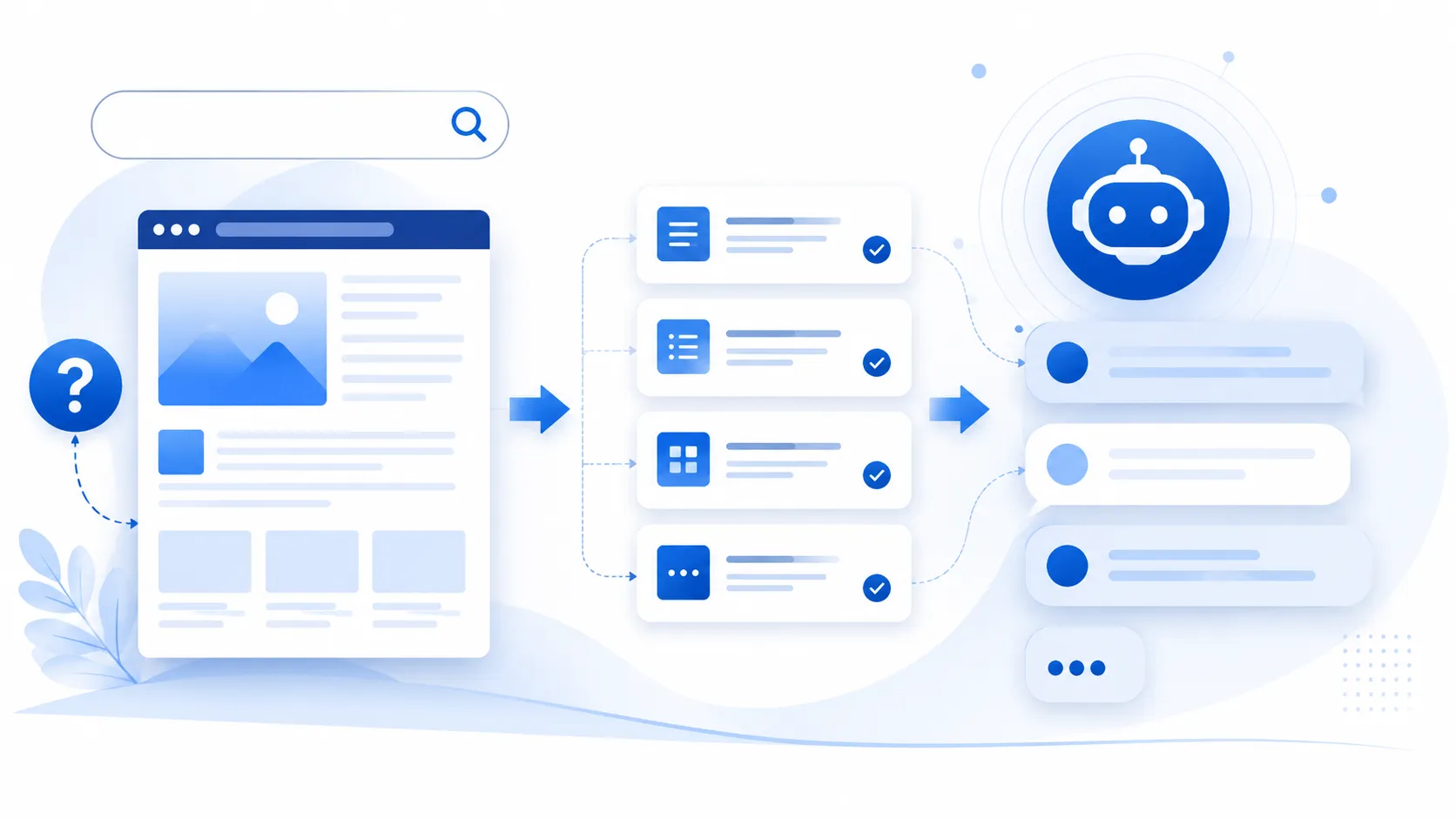
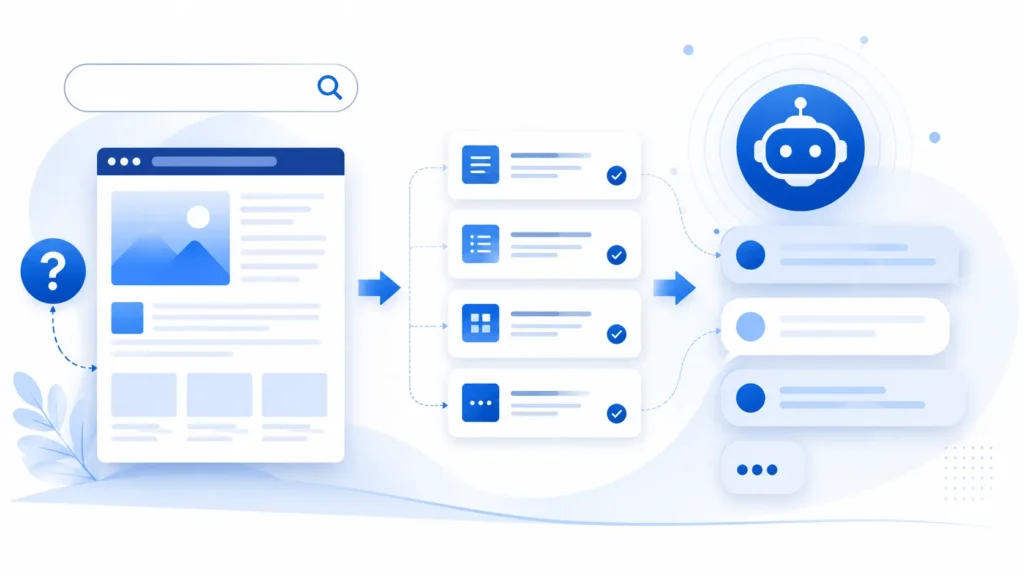
Google AI Overviews and AI Mode use a retrieval process: the system reads the query, pulls relevant pages from Google’s existing search index, and asks Gemini to summarize them with links back to the sources, as explained by La Teva Web’s breakdown of the retrieval-augmented generation process. ChatGPT, Perplexity, and Claude work on a similar principle when they browse the web: they retrieve, then generate, then cite.
This matters because it means there’s no separate “AI database” to optimize for. Google’s own developer documentation states plainly that there are no additional requirements to appear in AI Overviews or AI Mode beyond standard SEO fundamentals, per Google Search Central’s AI features documentation. If your page doesn’t rank organically, it has a much smaller chance of being cited in an AI answer.
That said, ranking well is a prerequisite, not a guarantee. Two pages can rank next to each other on page one, and only one gets pulled into the AI summary. The difference usually comes down to structure and clarity, not raw ranking position.
What actually improves your citation odds
1. Lead with a direct answer
Open each section with a 2 to 3 line answer to the question in the heading, then expand with detail below it. AI systems extract the first clear answer block they find under a heading, so bury it and you lose the citation to a competitor who didn’t.
2. Add FAQPage schema
FAQ structured data has one of the highest citation rates of any schema type. Pages with FAQPage markup are cited noticeably more often in AI Overviews because the format matches exactly how AI systems want to present information: a question, followed by a clean answer, according to Frase’s research on FAQ schema for AI search. Keep each answer between 40 and 60 words. Long enough to be useful, short enough to extract cleanly.
Schema alone won’t get you cited if the content behind it is thin or generic. It’s a delivery format, not a shortcut around writing something worth citing.
3. Build named authorship and E-E-A-T
trust.AI models apply authority signals close to how Google evaluates Experience, Expertise, authoritativeness, and Trust. Content attributed to a named person with a visible bio and a publication history performs better than anonymous or brand-only content. If you haven’t set this up on your site yet, our E-E-A-T optimization guide covers how to build it out.
4. Research full questions, not keywords
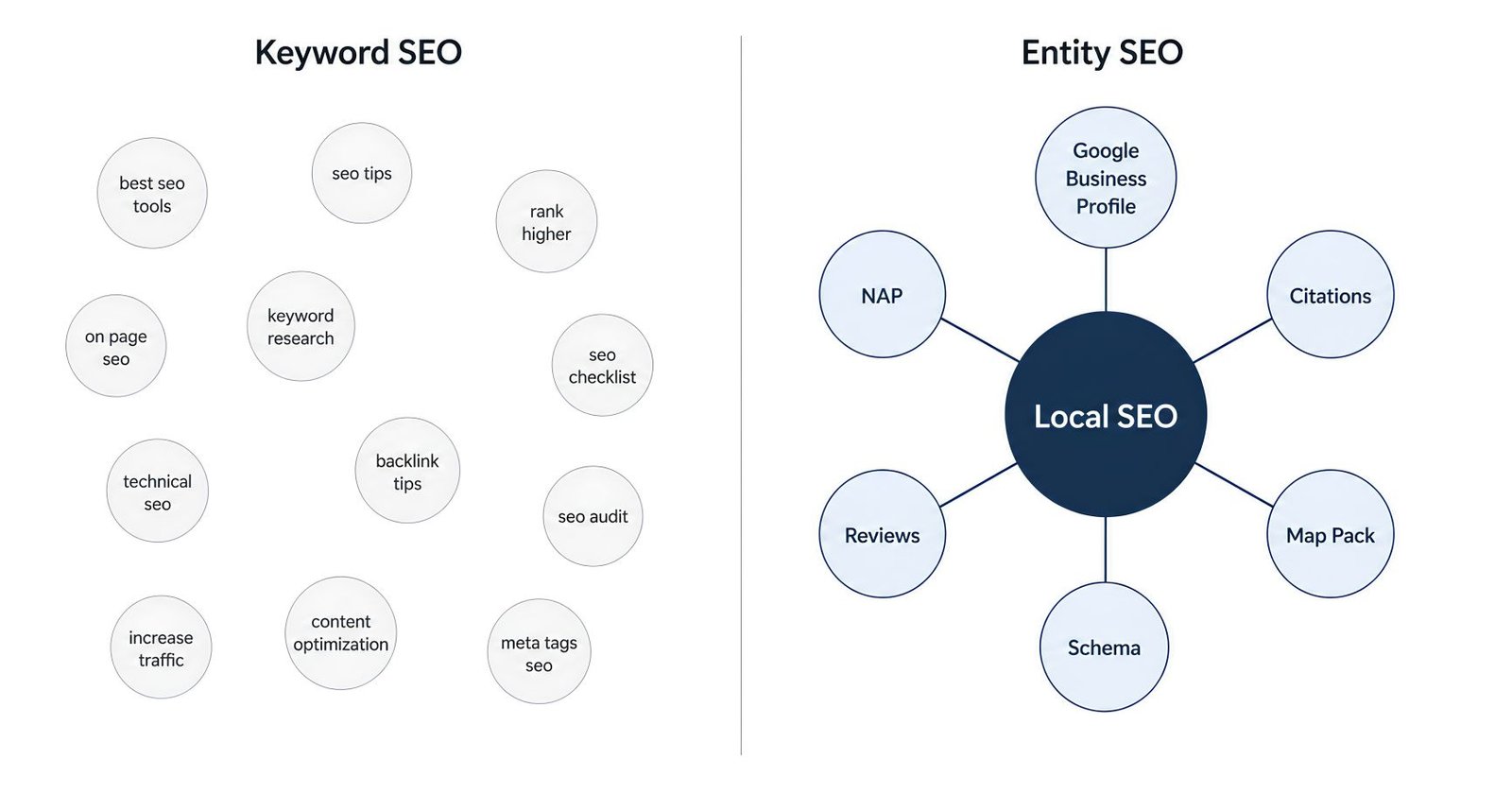
calls?”AEO starts with the actual sentence someone types into ChatGPT, not the two-word phrase they’d type into Google. “Best SEO company Ludhiana” is a Google-style query. Which SEO company in Ludhiana actually gets local businesses more calls” is closer to how someone asks a chatbot. Our guide on keyword research and how it affects rankings explains how to build a keyword list that covers both formats.
5. Fix the technical foundation first
None of the above matters if AI crawlers can’t access or parse your pages. Clean site architecture, fast load times, and proper crawlability remain the base layer every AI citation strategy sits on. Run through our technical SEO checklist before investing time in AEO-specific work.
6. Keep content dated and current
Pages with a visible publish date, a recent update date, and current figures get cited over older pages covering the same topic. A page from 2 years ago with no update competes poorly against a freshly dated equivalent, even if the underlying advice hasn’t changed much.
7. Add local and business schema
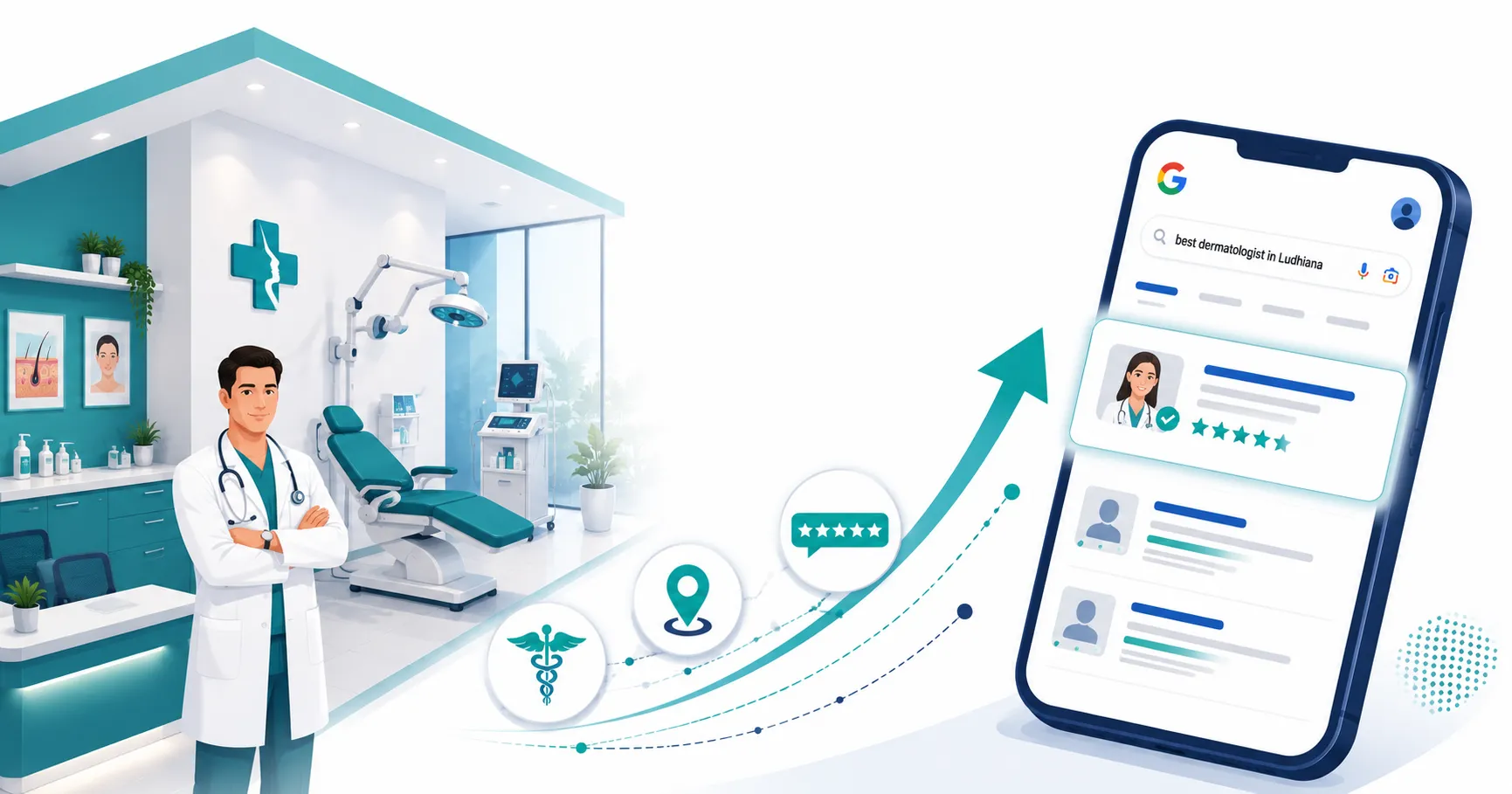
a LocalBusinessFor a Ludhiana business, LocalBusiness schema plus a well-maintained Google Business Profile is what helps AI systems place you correctly when someone asks a location-based question. This connects directly to the work covered in our local SEO guide.
A myth worth clearing up
surfaceA common claim floating around is that AI platforms need special markup or a separate optimization track entirely apart from SEO. Google Search Central has stated the opposite directly: the same helpful, people-first content and standard structured data that ranks in organic search are what surfaces in AI Overviews. There’s no separate AI index and no special AI ranking algorithm, per Google’s own AI features guidance. Treat AEO as an extension of solid SEO, not a replacement for it.
Frequently asked questions
overviewsDoes ranking well on Google guarantee an AI overview citation? No. It significantly raises the odds since AI Overviews mostly draw from page-one content, but the final citation depends on how clearly that content answers the specific question asked.
How is AEO different from traditional SEO? SEO optimizes a page to rank in search results and earn a click. AEO optimizes the same content to be extracted and quoted directly inside an AI-generated answer, sometimes without a click at all.
Do I need separate content for ChatGPT versus Google AI Overviews? Not separate content, but different emphasis. ChatGPT tends to favor neutral, well-cited content. Google AI Overviews weigh E-E-A-T and freshness more heavily. Well-structured, well-sourced content performs across both.
How often should I update AEO-focused pages? Check quarterly. Update statistics, dates, and any changed facts. Freshness is one of the few signals you can control directly.
Is FAQ schema still worth using after Google’s 2023 restrictions on FAQ rich results? Yes. The 2023 change only limited the visual FAQ snippet in classic Google search results for most sites. The underlying FAQPage structured data is still read and used by AI systems for citation.
Where to start
If your Ludhiana business is ranking on Google but never gets mentioned when someone asks ChatGPT or Gemini a related question, the fix usually starts with structure, not a content overhaul. Answer-first headings, FAQ schema, and a named author are the fastest wins.
BringBrandon builds AEO and GEO into our SEO services for Ludhiana and Punjab businesses, alongside the technical and local SEO work that has to be in place first. Get in touch if you want an audit of where your site currently stands with AI platforms.