


I’ve sat on both sides of this conversation. As an agency owner, I’ve had to decide whether to hire an in-house SEO team or hand campaigns to a partner I trust. And as a partner, I’ve watched other agencies get burned by providers who promised the world and delivered thin reports and vague excuses. The mistakes usually look the same from the outside: rushed onboarding, no real audit, and a contract nobody read closely.
This guide is what I’d tell a friend who runs an agency and is about to sign with a white label SEO partner for the first time.
Why more agencies are outsourcing SEO right now
Client demand for SEO hasn’t slowed down, but the skill set needed to deliver it has gotten wider. A decade ago, ranking a site mostly meant on-page fixes and backlinks. Now your team also needs to understand structured data, Core Web Vitals, and how AI tools like ChatGPT and Gemini pull answers from the web.
Hiring one in-house SEO specialist to cover all of that is expensive, and one person can only handle so many accounts before quality drops. Outsourcing solves the math problem: you pay for the work you need, when you need it, without carrying a full-time salary through slow months.
The agencies that outsource well treat the partner as an extension of their own team, not a vendor they check in on once a month. That distinction shows up in the results.
What does a white label SEO partner actually do
A white label partner does the execution work while your agency owns the client relationship. Reports, calls, and strategy conversations happen under your brand. The client never needs to know a second company is involved.
Typical scope includes:
- On-page SEO: metadata, internal linking, content structure
- Technical SEO: site speed, crawlability, schema markup, Core Web Vitals
- Content: blog posts, landing pages, and product copy built around real keyword intent
- Link building: outreach, guest posts, and digital PR
- Local SEO: Google Business Profile management, citations, and review generation
If content is a big part of what you outsource, it’s worth reading up on what actually separates content that ranks from content that just fills a calendar. We wrote about that in detail in our guide to creating high-quality content for SEO, and a lot of the same standards apply whether you’re producing the content yourself or reviewing it from a partner.
What to actually look for before you sign
Most agencies compare white label partners on price and turnaround time. Those matter, but they’re not what separates a good partnership from a bad one over 12 months.
Ask to see their audit process. A partner who can walk you through how they diagnose a site, not just what package they’ll sell you, is usually the one who knows what they’re doing. If the first call jumps straight to pricing without asking about your client’s business, that’s worth noting.
Ask for case studies with real numbers. Ranking screenshots are easy to fake or cherry-pick. Traffic and lead data from Google Search Console or Analytics is harder to dress up.
Check if they specialize or generalize. A team that’s great at local SEO for service businesses might not be the right fit for an eCommerce client with 5,000 SKUs. Ask directly what industries they’ve handled and what results looked like.
Watch how they handle pushback. Ask a technical question you already know the answer to. A confident, specific answer tells you more than any sales deck.
Confirm they understand AI search, not just Google. This one’s become non-negotiable. More on that below.
What white label SEO usually costs
Pricing varies a lot depending on scope, but most 2026 quotes fall into three rough bands:
| Tier | Typical monthly range | What’s usually included |
|---|---|---|
| Local / small business | $200 to $900 | Google Business Profile management, citations, local rank tracking |
| Mid-market | $900 to $2,500 | Technical SEO, content production, regional link building |
| Enterprise / eCommerce | $2,500+ | Large site structures, multi-location SEO, competitive keyword sets |
Agencies typically mark this up 2x to 2.5x when billing their own clients, which covers account management and still leaves healthy margin.
One thing worth saying plainly: if a quote comes in well under $200 a month, ask what’s being cut. It’s usually content review, account management, or both. That gap tends to show up six months later as ranking drops and client churn, which costs more than the money saved upfront.
Red flags that show up before things go wrong
A few patterns tend to predict a bad partnership, and you can usually spot them in the first two conversations.
- The same proposal gets sent to every prospect, with no real audit behind it
- Rankings or link counts get “guaranteed,” which isn’t how search engines work
- Technical questions get vague or defensive answers
- There’s no NDA, or account ownership after the partnership ends isn’t addressed
- Link building sounds like volume over quality, with promises of hundreds of backlinks fast
None of these are dealbreakers on their own if a provider corrects course when asked. But two or three of them together are a good reason to keep looking.
Does your partner actually have an AI search strategy?
Search behavior changed faster than most agencies adjusted for. People now ask ChatGPT, Gemini, and Google’s AI Overviews for recommendations before they ever open a search results page. A partner who’s still optimizing only for the traditional 10 blue links is optimizing for half the picture.
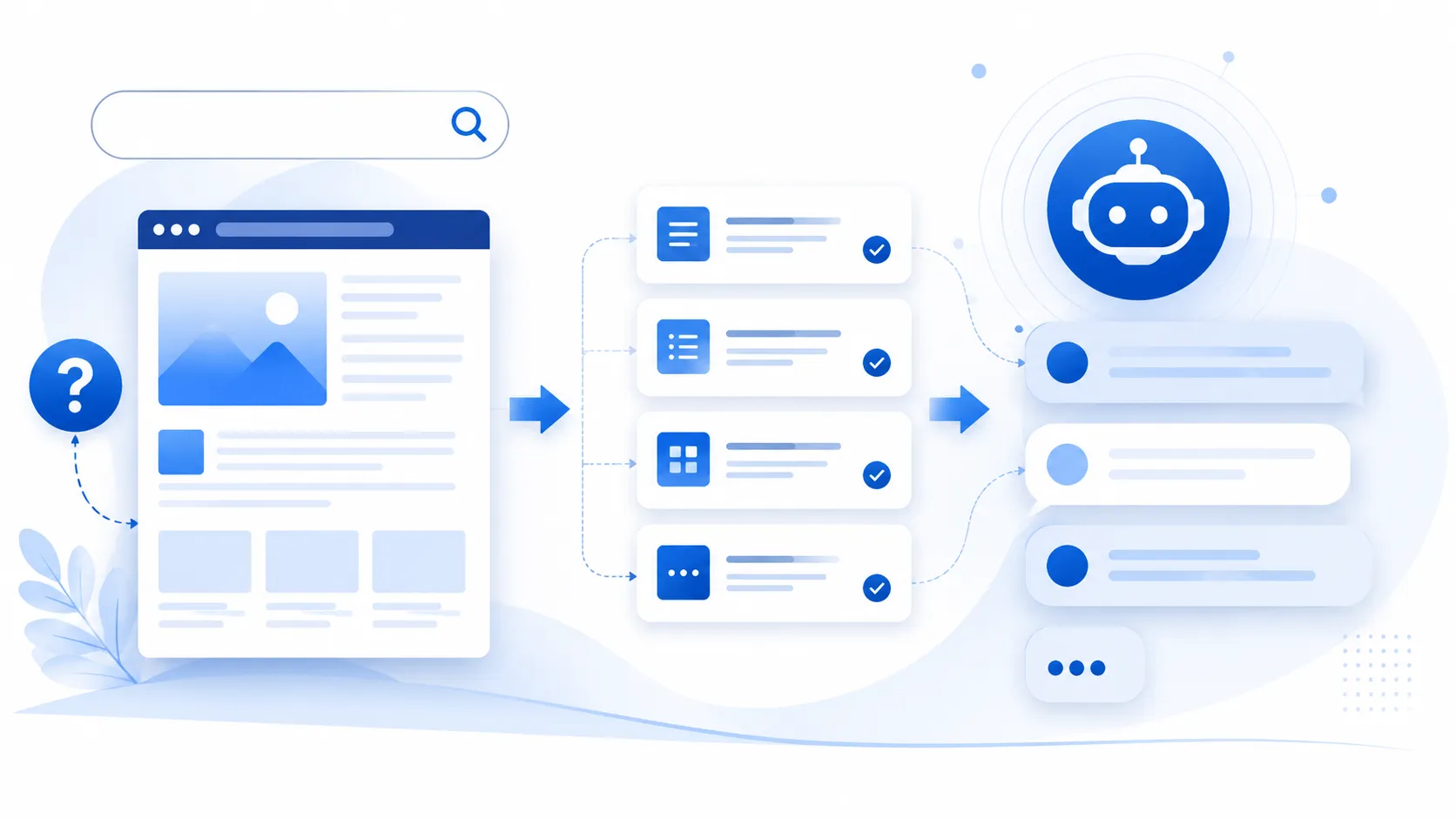
This matters more than most white label buyers realize, so we put together a practical breakdown of what actually works in our AEO guide for ranking in ChatGPT and Gemini. The short version: structured, answer-first content and clear entity relationships matter more here than keyword density ever did.
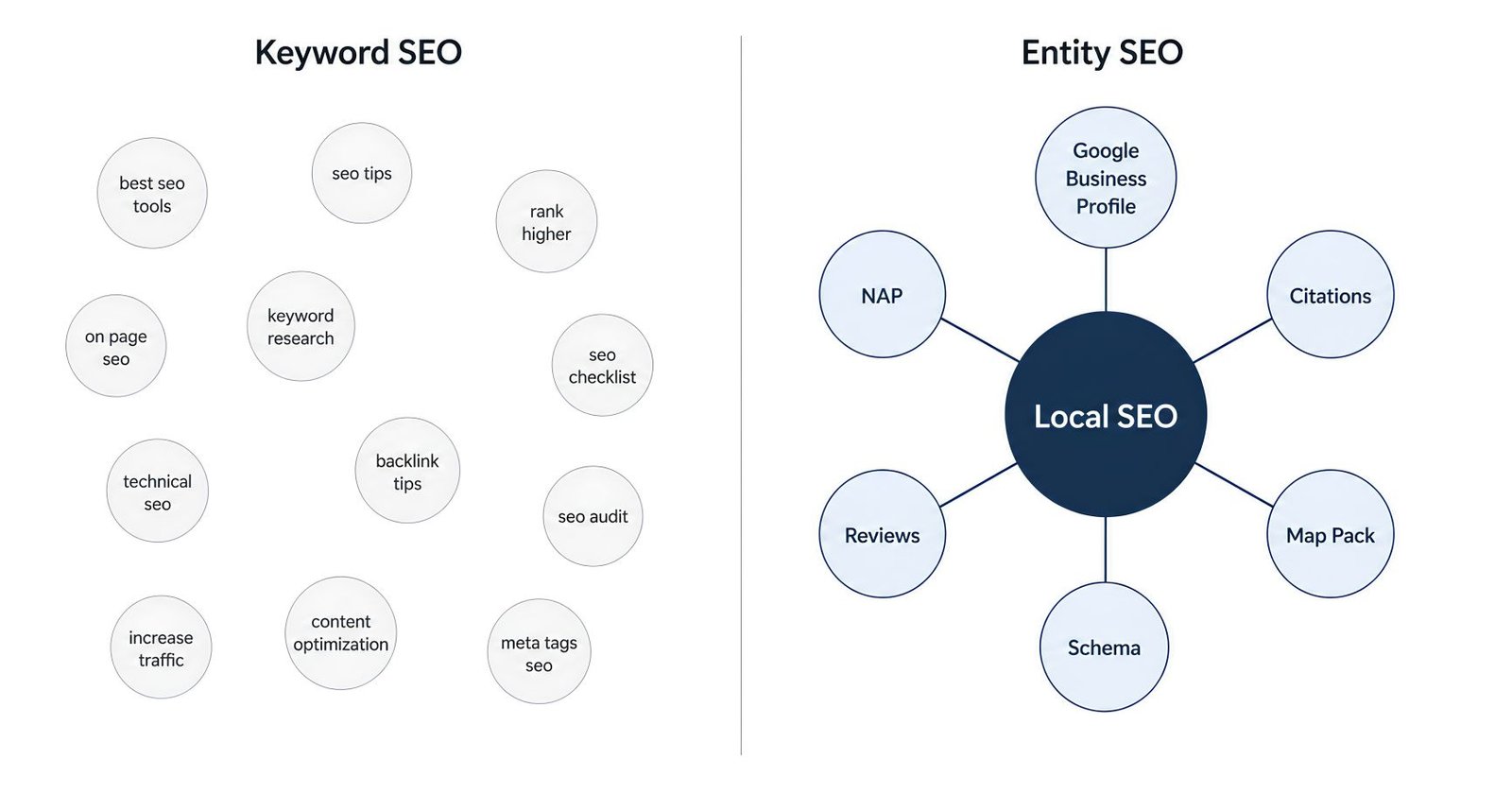
That ties into a bigger shift we’ve also written about: entity SEO versus keyword SEO, and why building topical authority around entities is becoming the more durable strategy compared to chasing individual keywords one at a time.
Ask any potential partner for one real example of content built for AI visibility, not just a Google ranking screenshot. If they can’t produce one, their AI strategy probably doesn’t exist yet.
What your contract needs to cover
A contract should remove ambiguity before it becomes a dispute, not after.
- Content ownership – blog posts, landing pages, and other deliverables belong to you and your client, not the provider
- Data and account access – you keep Google Business Profile, Search Console, and citation account access if the partnership ends
- Clear deliverables – actual services listed monthly, not just a package name
- NDA – client and business information stays confidential
- Exit terms – notice period and process for ending the agreement, spelled out
- Trial period – start with one client before committing long-term
Read this section before you sign anything, not after a problem comes up.
Why local and trust signals still decide who wins
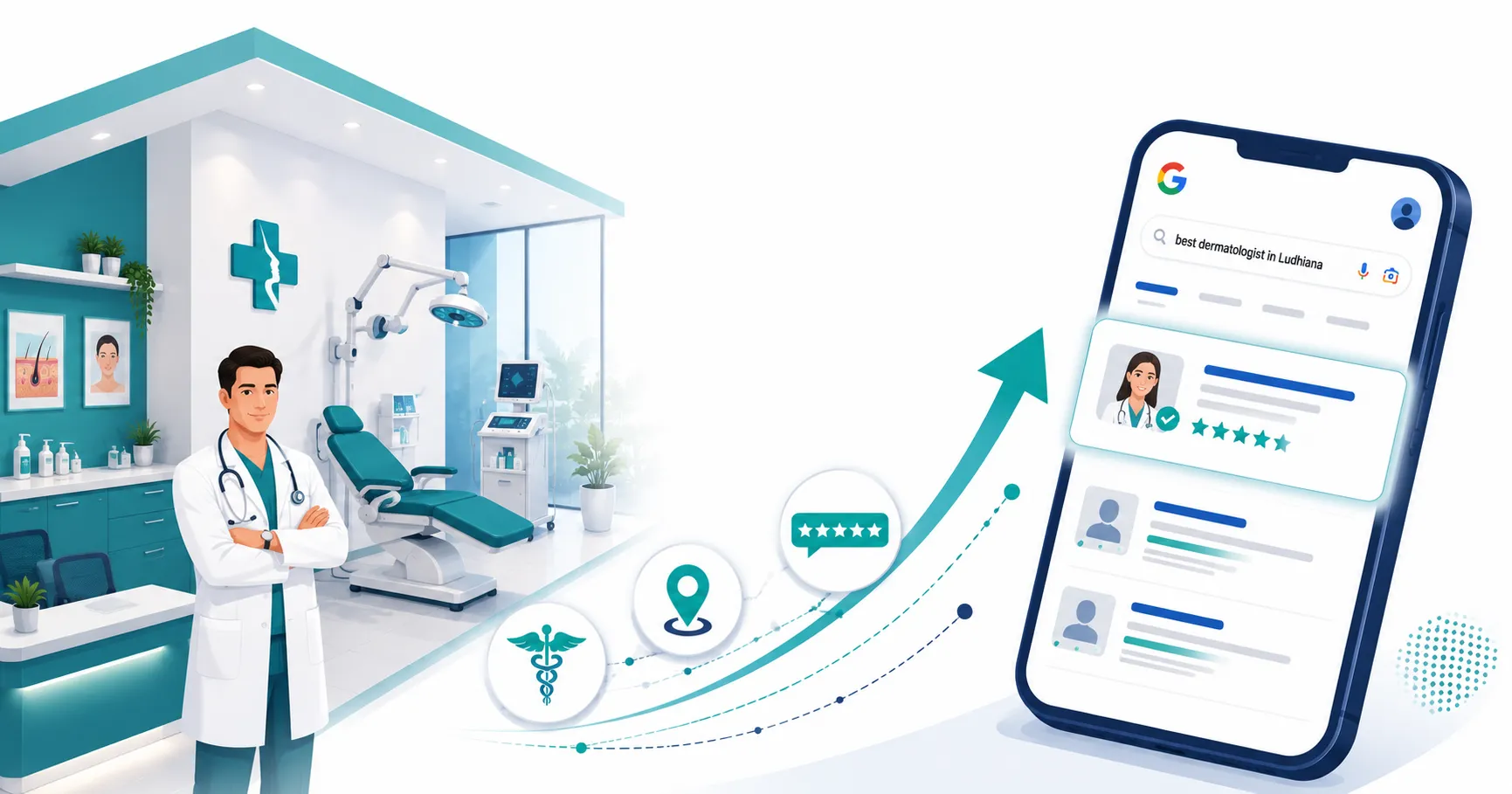
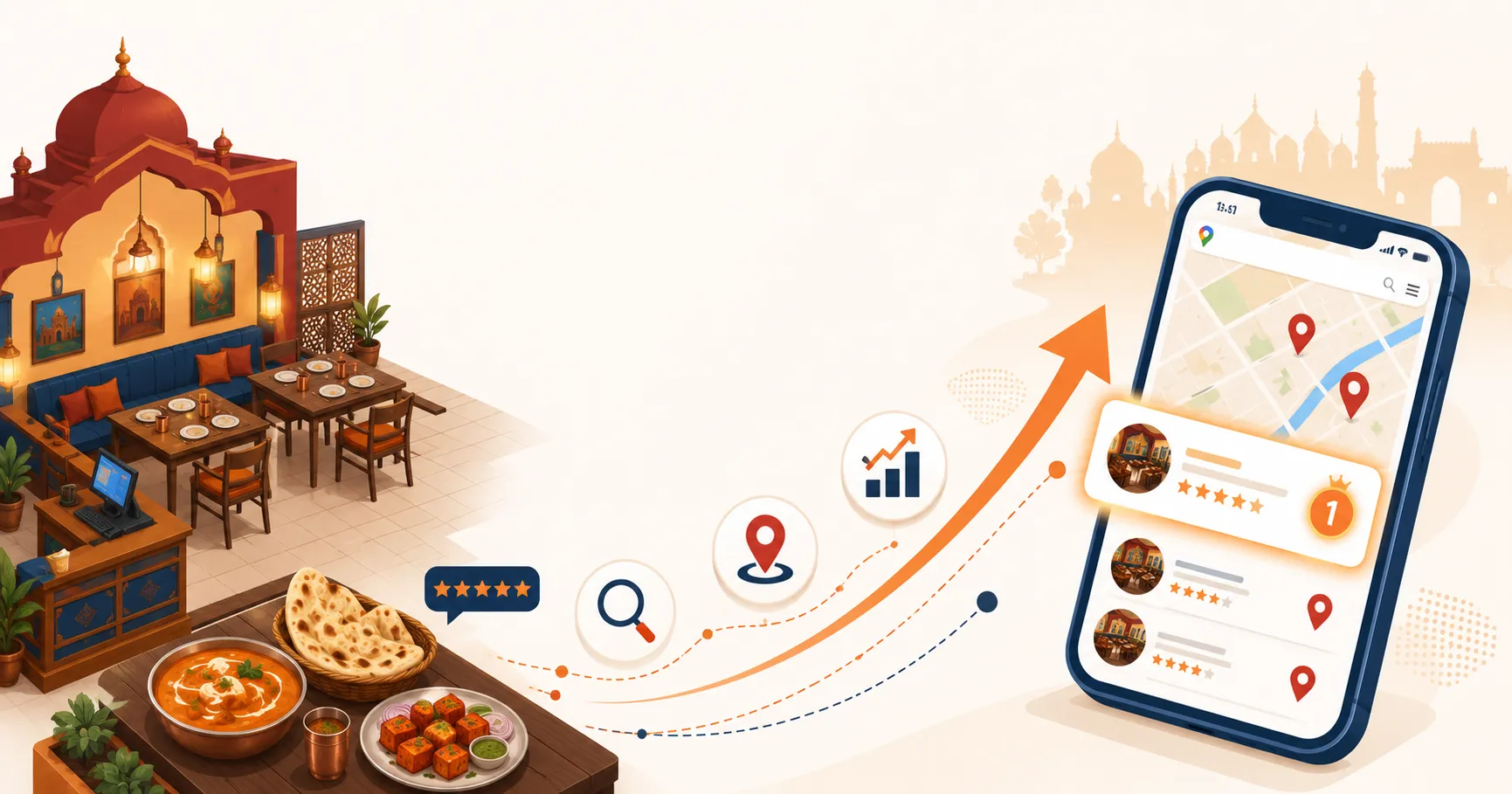
Even with all the attention on AI search, local SEO and trust signals still carry most of the weight for service businesses and multi-location brands. If a client’s Google Business Profile isn’t optimized and their reviews aren’t managed, no amount of blog content fixes that. We cover this in more depth in our guide on using local SEO to turn searches into real customers.
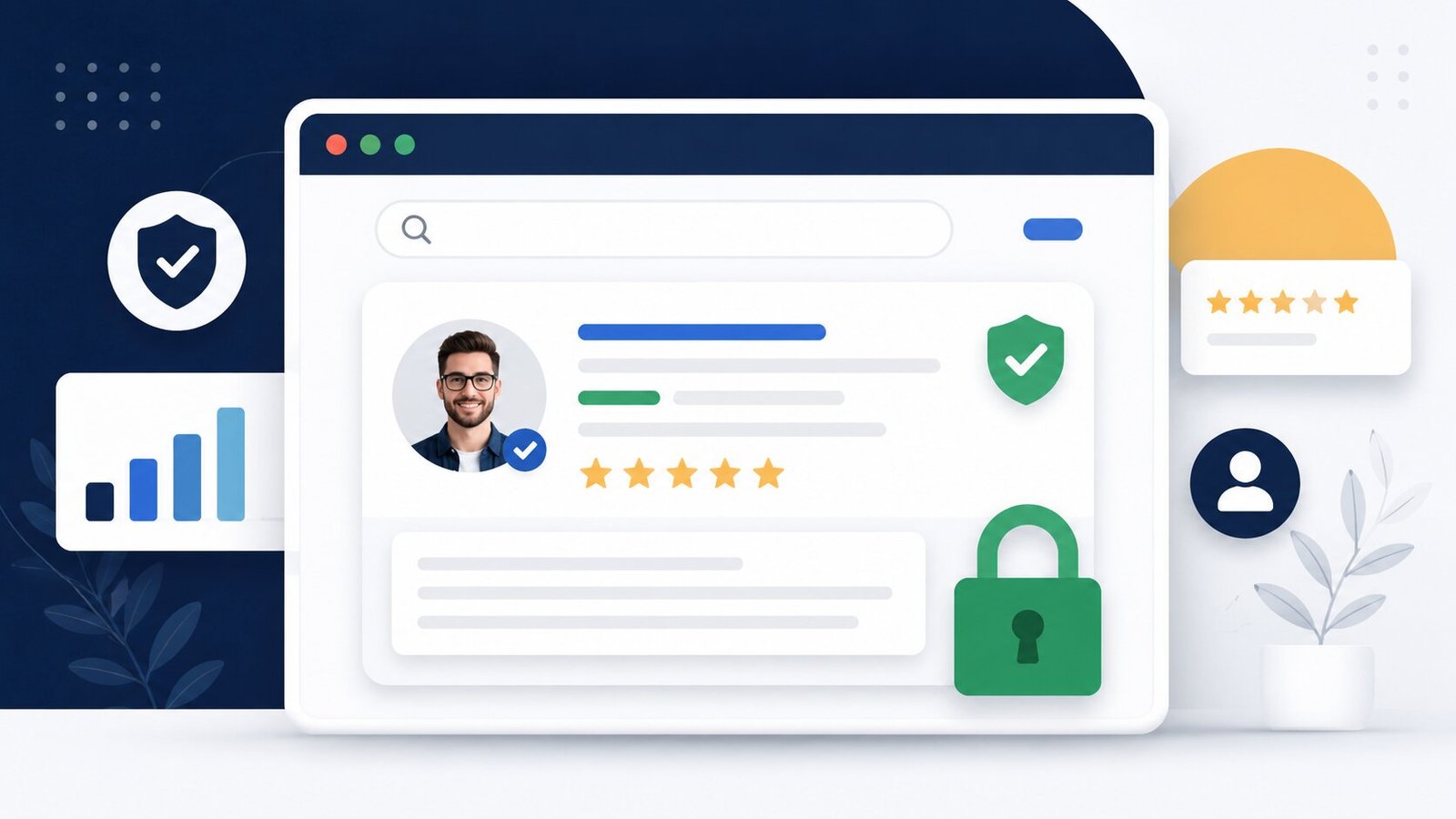
Trust signals matter just as much on the content side. Google and AI tools both weigh author credibility, site transparency, and real expertise more heavily than they used to. If you want a full breakdown of what that looks like in practice, our E-E-A-T optimization guide walks through the specific elements that build that trust, from author bios to citation practices.
A white label partner who understands both of these areas, not just backlinks and blog posts, is going to hold up better as search keeps evolving.
Questions worth asking before you commit
- Walk me through how you audit a new site.
- How do you build links, and can I see recent examples?
- How do you structure content so it gets picked up by AI Overviews and tools like ChatGPT?
- What happens to quality if I bring you double the client volume in six months?
- Can you show case studies with real traffic or lead numbers, not just rankings?
- What do your reports look like, and how often do I get them?
- Who owns the accounts and data if we end the partnership?
- How do you handle a ranking drop when it happens?
- Can we start with one client on a trial basis?
- Have you worked with businesses in my client’s industry before?
Score each provider you’re considering on communication, technical depth, reporting quality, and transparency around pricing. The cheapest option rarely wins long term. The one who answers these questions clearly and specifically usually does.
Where BringBrandOn fits into this
We’ve been running SEO campaigns out of Ludhiana since 2018, and a good chunk of our work today is exactly this: acting as the execution team behind other agencies’ client SEO, under their brand. We handle local SEO, technical SEO, content, and AI search optimization for platforms including Google, ChatGPT, Bing, and Gemini, with reporting built for account managers who need to explain results to their own clients, not just show a ranking chart.
If you’re comparing partners right now, we’re happy to run a free audit on one of your client sites so you can see how we work before committing to anything larger.
FAQs
What is white label SEO outsourcing? It’s when a provider does SEO work that gets delivered under your agency’s name. Clients see your brand on every report and never interact with the outsourcing partner directly.
How is a white label SEO company different from hiring a freelancer? A company has a documented process, backup coverage if someone’s out, and specialists across technical, content, and link building. A freelancer usually can’t cover all of that alone, and there’s no continuity if they’re unavailable.
What’s a fair markup on white label SEO pricing? Most agencies mark up wholesale pricing 2x to 2.5x, which lands around 50 to 60 percent gross margin after accounting for account management time.
Will my clients know I’m using an outsourcing partner? No, as long as the provider works under NDA and doesn’t contact clients directly. That’s standard practice for any legitimate white label provider.
Is it worth going with the cheapest white label SEO option? Rarely. Pricing well under $200 a month usually means content isn’t being reviewed properly or there’s no real account management, and that shows up later in client churn.
Does white label SEO work differently for enterprise or multi-location clients? Yes, if the client has multiple locations or a large product catalog, confirm the partner has handled that scale before assigning the account.